Dear Kin, K9 Parents, and Desert Wanderers,
Three Weeks of Grief: Looking For Memories
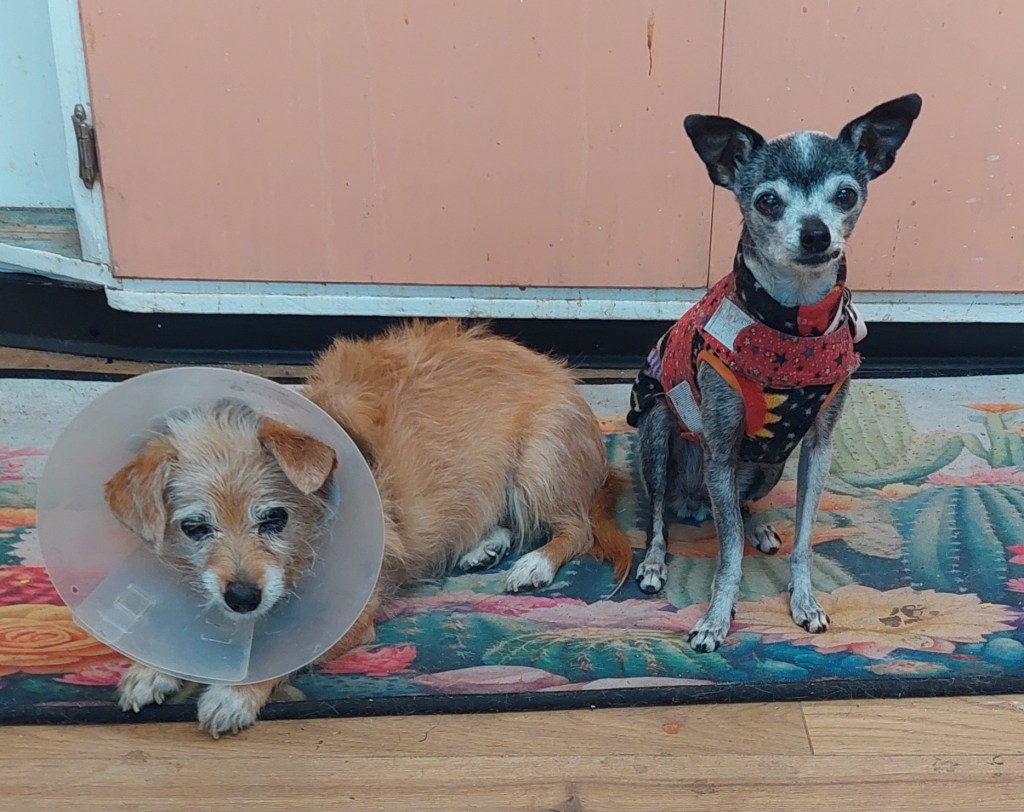
Today marks three weeks since I said goodbye to my second soul dog, sweet and sassy Cimarron. I still cry a lot, somedays more than others. I also look for little reminders of her. I found a footprint she left on the kitchen mat the day she ran through the contractor cement. I was thrilled by something that had previously been kind of annoying. A small piece of her left behind.
I have been starting my morning exercise routine with the song Rose of Cimarron this week because it reminds me of our Southwest travel adventures together. Check out the lyrics – they seem to fit, somehow. This morning, Alexa put Mr. Bojangles in the same playlist. I instantly remembered the part where he lost the dog. I listened for the lines. I heard them in a new light today. He traveled with his dog for 15 years, and 20 years later, he still grieves. Mr. Bojangles had a soul dog! The grief is hard work.
Early in my grief journey – all of 2 or 3 weeks ago – I asked Google about the process of grieving a soul dog. I knew the human stages, but I wanted something specific to soul dogs, because this was the second time in 4 years that I had been through this process. Yes, I believe you can have multiple soul dogs – here is my blog about that: Debunking the Soul Dog Myth: More Than a Once-in-a-Lifetime Bond
Losing a Soul Dog: Stages or Grief
I am going to talk about what I learned from Google and how I experienced it with my dogs. My wounds are fresh as I write this and grief is not linear. I am still in and out of all the stages, but spending less time in the earlier stages. I would love for those grieving soul dogs – or any dog, for that matter – to share your experience in the comments.
Shock and Muscle Memory
According to Google, the first stage is the shock and “phantom” phase. This is where you are sure you see them or hear them. It’s muscle memory. For me, the first days were the absolute worst. Every routine of the day had my special needs dogs in them. They weren’t there when I got up. They weren’t wanting whatever I was eating. They weren’t following me around the house. They didn’t need to be let out. They weren’t snuggled with the other dogs.
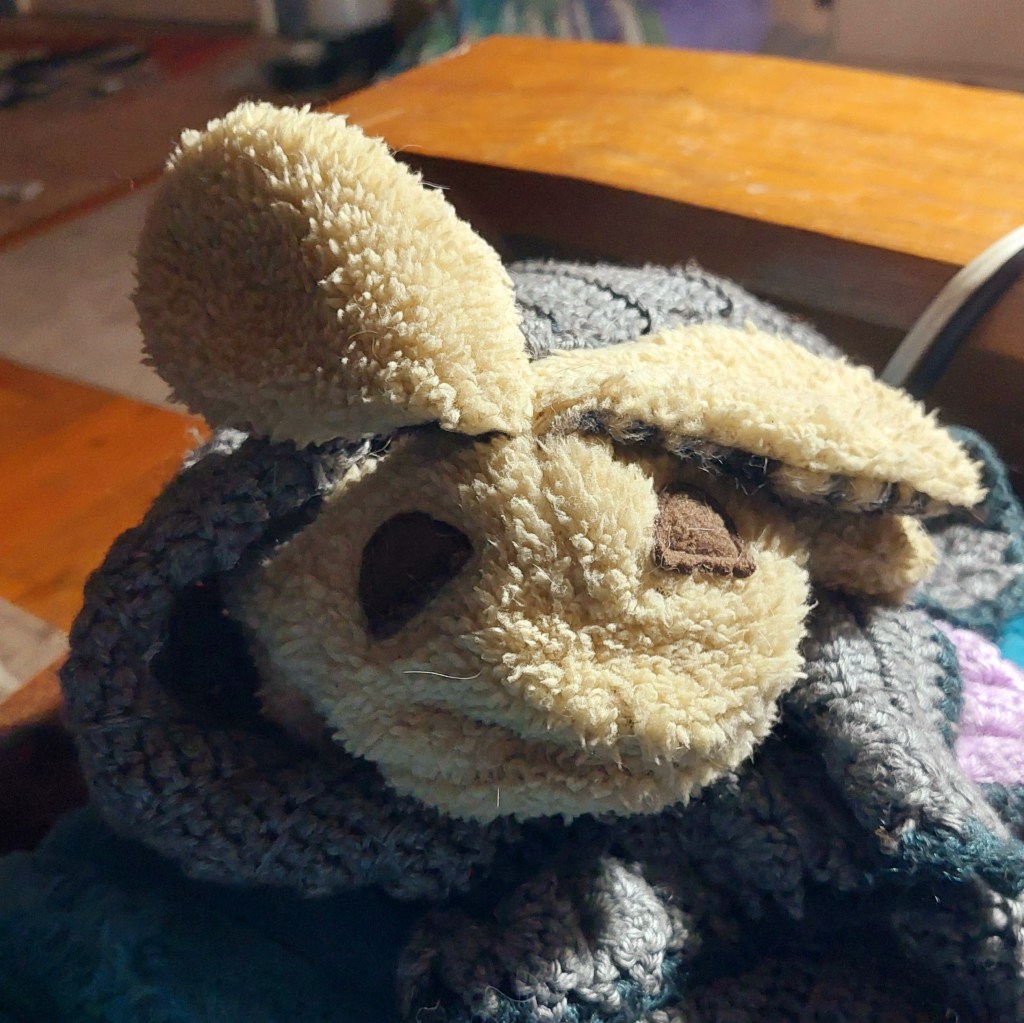
My brain wanted them to be there so badly. I saw Cimarron out of the corner of my eye on the couch – no, that’s the pillow. I put her little comfort dog that has a heartbeat there so I had something to cuddle. Each time, the tears came.
Obsession with the final days
The next phase is the replaying the last days over and over. Like hitting replay over and over. What if I would have done this or that differently. . . My Cimarron’s death came within two weeks of her first symptoms. I live rural, small dogs aren’t the vet’s specialty. Her diagnoses were inconsistant. I questioned everything from my lack of air conditioning to how I was giving her pills to the vet’s assessment skills.
About 2 weeks ago, I decided to write a blog series on Cimarron’s death. I needed to go through the phone calls, the emails, the vet records, the photos. I needed to put it together to understand it. It took until today. It helped me to feel less confused. With Sazi, almost 4 years ago, I saw it coming for longer and telling the story of her life and her will to live through long-term illness eased my soul.
Here are links to the blog (this post is the last in that series):
- Cimarron’s Final Journey (Part 1): What Cimarron’s Summer Taught Me About Subtle Respiratory and Cardiac Decline
- Cimarron’s Final Journey (Part 2): The Trip, the Morning Collapse, the 2 AM Honking Cough, and the Long Road to Urgent Care
- Cimarron’s Final Journey (Part 3): The Good Days, a Missed Diagnosis, and the Cough Returns
- Cimarron’s Final Journey (Part 4): The Second Collapse, the Diagnosis, the Stunning Prognosis
- Cimarron’s Final Journey (Part 5): The Hospice Weekend, the Final Goodbye
- Debunking the Soul Dog Myth: More Than a Once-in-a-Lifetime Bond
Disenfranchised Grief
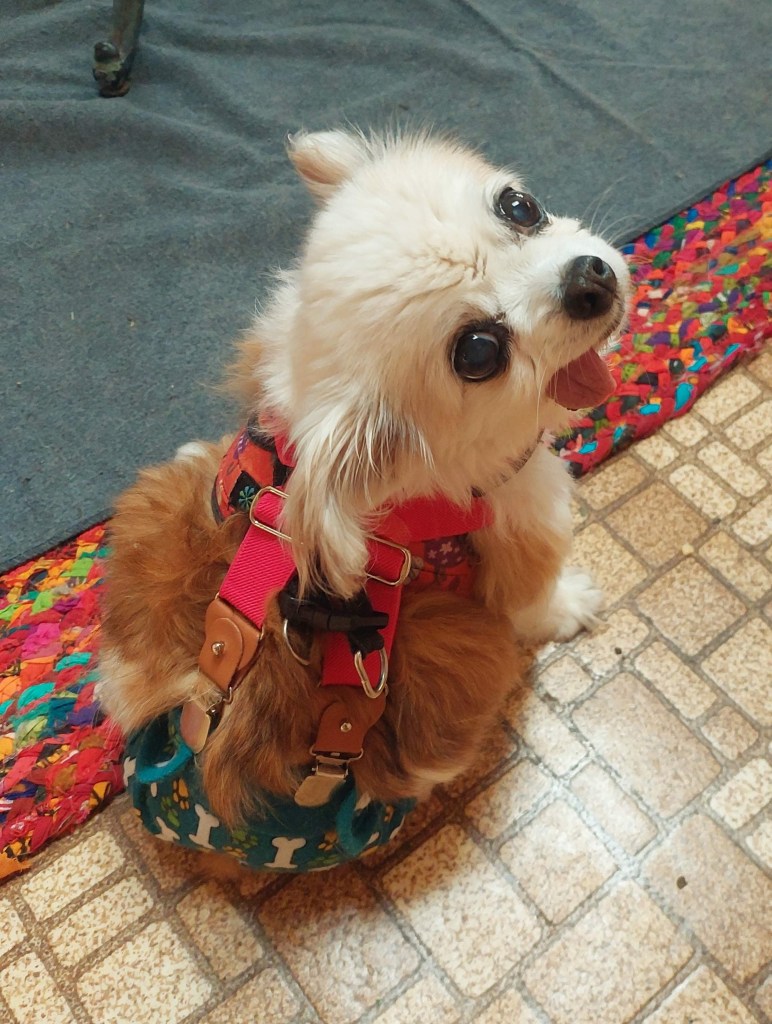
I could spend a year writing about this phase because it’s so isolating. People say things that you would never say to a human grieving a loved one. “Sorry about your little dog.” At least she knew love.” “Get a younger dog next time.” IDT people mean harm, I just don’t think they have any idea that bonds with dogs can be so deep. So, they act more like you lost a possession than a soulmate.
There are no funerals or rites of passage with a dog. You get a can of ashes about a week later. Boom, that’s it. The world goes on as if nothing has happened. But, you are still in phase I or II – seing the dog by you on the couch or replaying the last days over and over. It’s deeply painful but no one is responding.
The concept of active or passive deconstructive responding comes in here. These are ways of responding that hurt relationships. In human research, they can predict divorce. Active deconstructive responses make you feel blown-off or minimized. “It was just a dog.” The message is that your grief is invalid. Passive deconstructive is ghosting and or changing to topic. The message is that your pain doesn’t matter.
When I posted Cimarron’s RIP message to Facebook, most the replies were heartfelt. They empathized – “I am heartbroken for you.” “I know you wanted more time.” “I know how much she mean to you.” These responses build relationships and create a sense of support.
The least helpful were generally a trite statement like “at least she knew love” or “I am sorry about your little doggy.” I think they felt they needed to say something, but they didn’t really want to talk about it. So, it was never meant to be open to the deep feelings. These responses can hurt relationships and lead to people feeling disenfranchised.
The Void
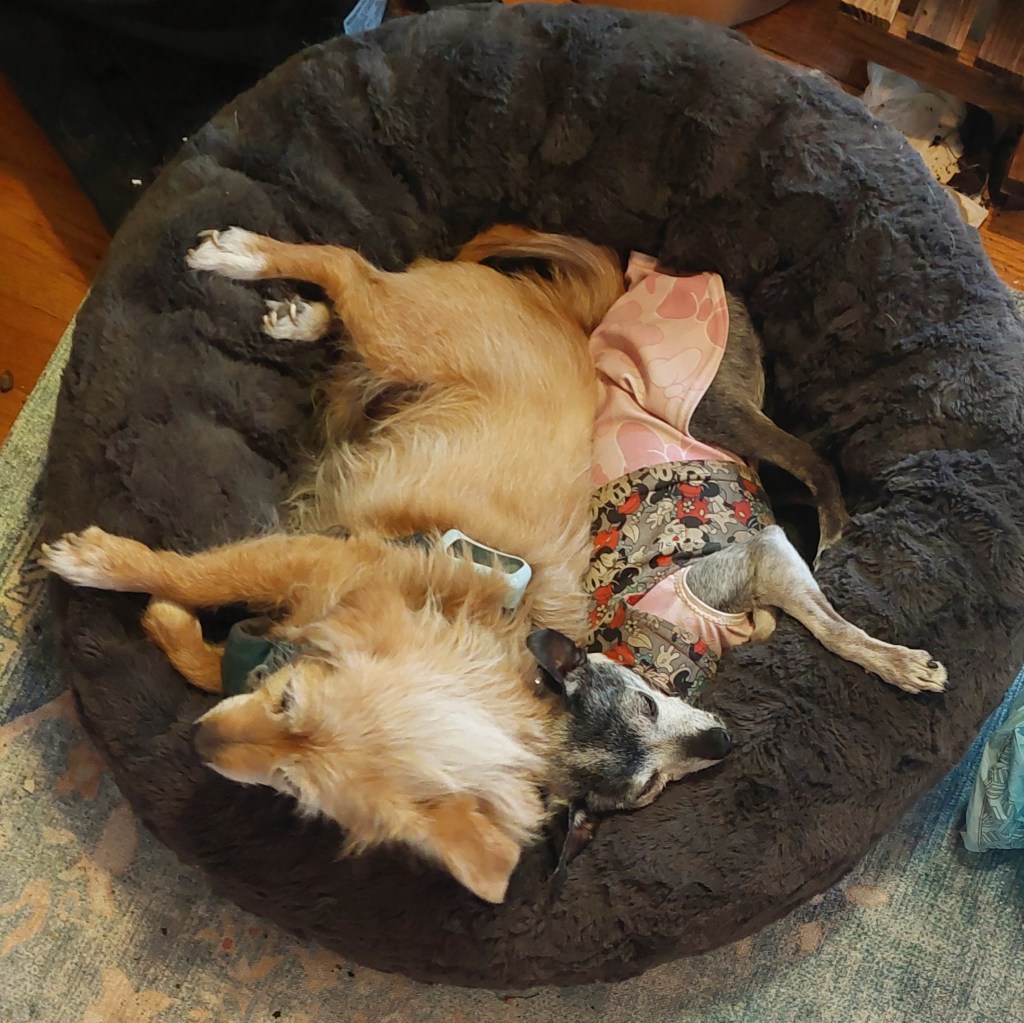
After all the processing comes the exhaustion. Soul dogs help regulate our nervous systems. They lower our blood pressure. They stimulate our brains to release oxytocin. They are ever present in our lives, so their absense creates stress. And when the adrenaline wears off, here comes the crash.
Because I have mild CPTSD, this one rings expecially true. I think dog owners with a history of profound loss or trauma are particularly sensative to the void because the dog becomes our safe zone. Suddenly, we feel less secure and our nervous system reacts. It’s exhausting. Especially when you are still cycling through all the phases at various times. In the morning, you imagine your dog in his spot next to you. Later, in the day someone tells you, “it’s just a dog.” Then, maybe the vet bill comes and you wonder “what if this had been treated sooner?”
The pups often feel the void, too. It’s important to validate their loss.
Anger and change
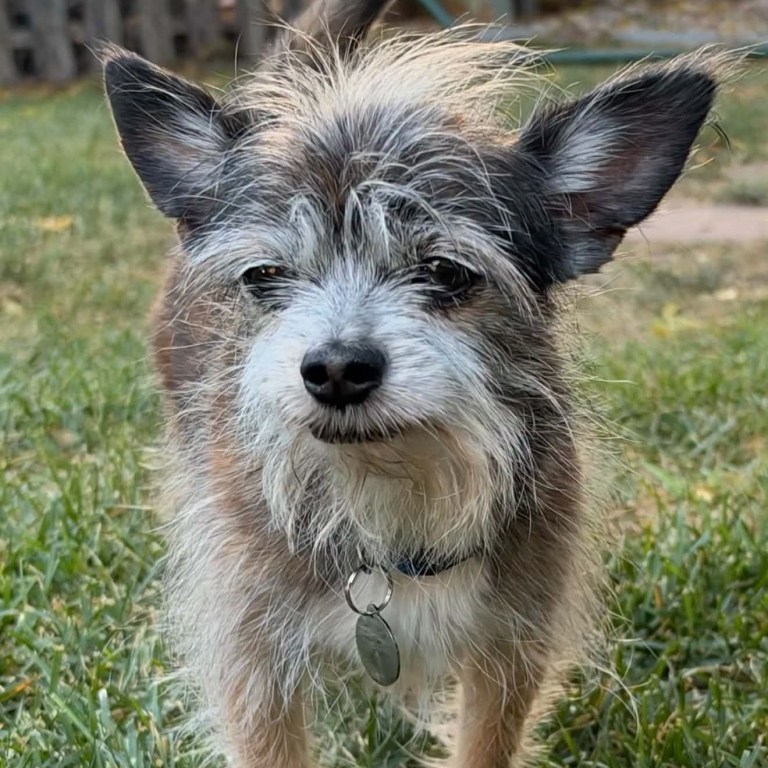
Anger is a well-known stage of grief. I’m angry. Some days, I am still angry at the vet system and the bills for wrong diagnoses. I am angry at myself for not having her gotcha day party. I am angry at the cat for outliving her. I am angry at my family for not recognizing my pain. I’m even sometimes angry at Cimarron for getting sick and leaving me. But, I know I can’t get stuck here. Harboring the resentment will hurt me more than it will the system.
My colleague, Dr Martin Seligman, once taught me that all emotions have a purpose. Anger helps protect us from future injury or tresspass. It helps us create memorials, set boundaries with loved-ones, and improve systems for the future. In my case, this means making changes. I have an echo scheduled for my other dog (Koko) with heart disease, because I don’t want to be surprised again. The new AC is priority for next year. I will develop better networks for support with my special needs dogs. I will finish Cimarron’s handmade urn this fall. I will not miss another gotcha day party. I will adopt a legacy dog for Cimarron. Because I’m mad as hell and I don’t want to go through this, again.P
Preserving the soul dog in your world

I read the post from grieving pet parents. “I will miss you forever.” “Always in my heart.” The list is long. And, that is real with a soul dog. Mr. Bojangles is still grieving 20 years later for his travel companion. At some point, the pain is less but the connection leaves us forever changed.
I am at a very different place with Sazi than I am with Cimarron. Sazi was almost 4 years ago. Her death brought my committment to rescuing special needs seniors. And, I have been doing that since she left my world. I have also become more patient with my fur kids. I learned that from her. I look at her photos and I no longer shed tears. I remember the good times, the successes, the lessons. I am grateful I didn’t take her back to the rescue, even though I considered it early on in our journey.
Cimarron is a fresh wound. I have recommitted to rescuing special needs seniors – and now named my project the Three Amigas Dog Haven. The Three Amigas has a story – a history – a mission carved by the dogs themselves. But, I still cry at the little stuff. The basement studio feels empty without her. I see her in her spot on the couch occasionally. Her photos still bring a bitter-sweet tear. I remember the loss. Eventually, I will feel the gratitude.
There is a line in Call the Midwife, season 3, episode 4 that I will share as I close out this blog. I appreciate you letting me share and I hope you will leave a comment on your own experience with grieving a soul or special dog.
“You will feel better than this… Maybe not yet, but you will. You just keep living until you are alive again.”
Keep your heart open, Doc Cathy

