Ten Years, 2 Soul Dogs, 180 Different Personalities
Dear Kin, K9 Parents, and Desert Wanderers,
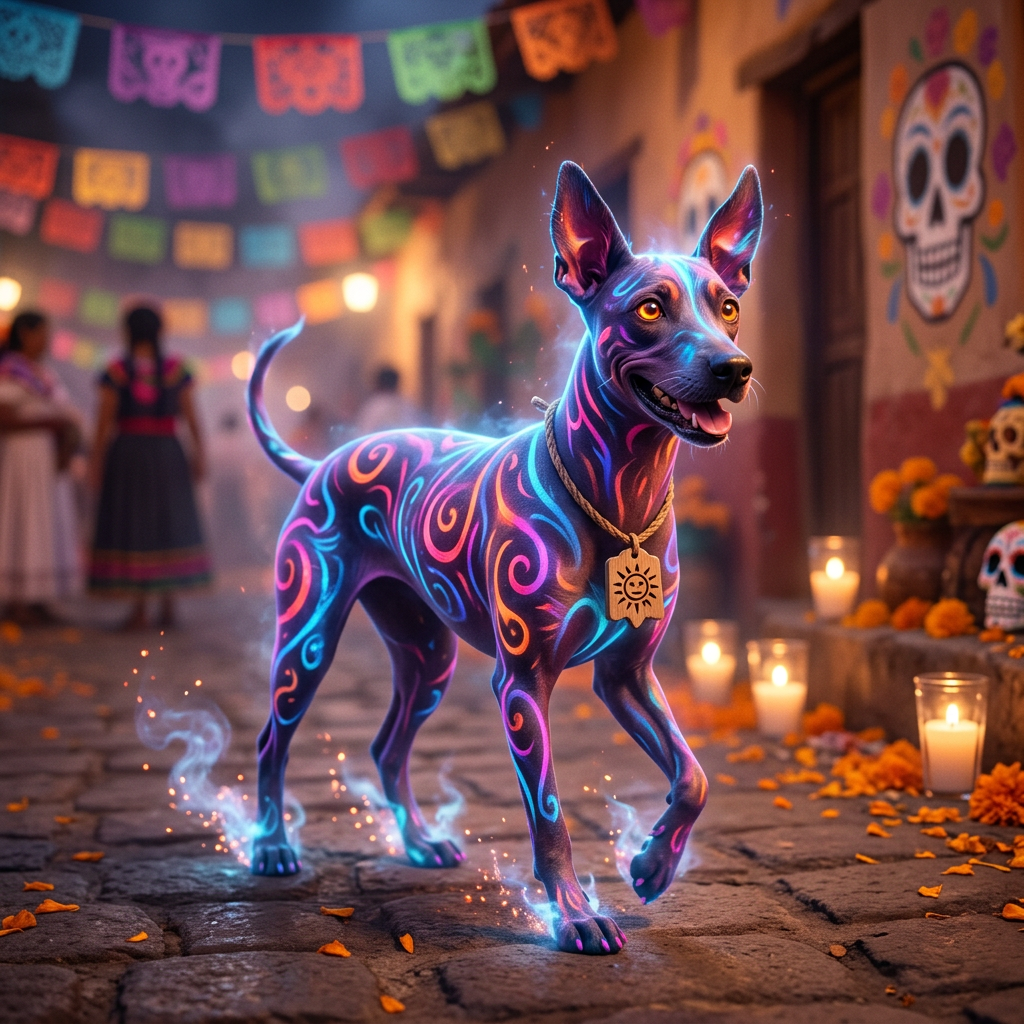
Have you ever heard that a soul dog is once-in-a-lifetime bond? That mythical dog that understands everything about you, responds to your every mood, and becomes a supernatural force leading you through life’s toughest journey. Something like Dante, the spirit guide dog in the movie Coco.
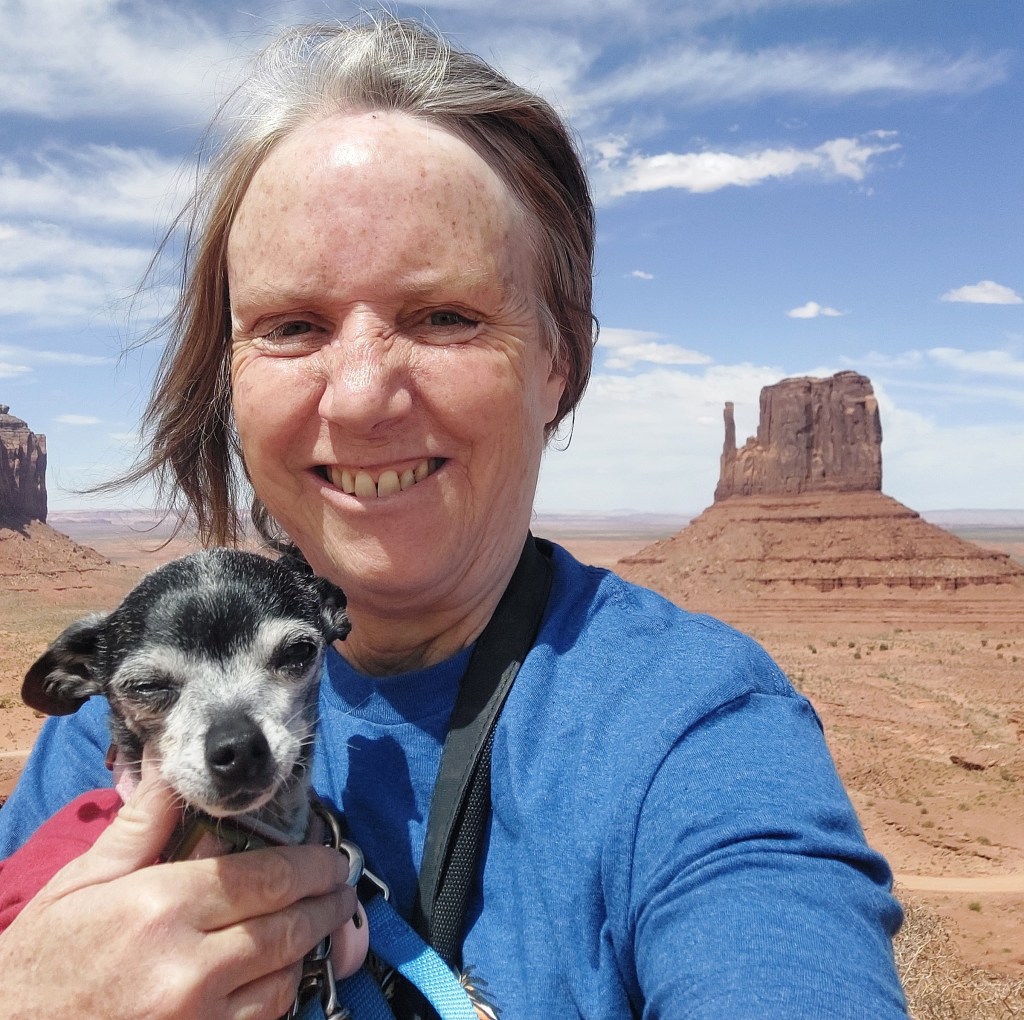
I am not here to dispute the soul dog part. I am here, as a retired nurse-midwife and positive psychology practitioner, to dispute the “once-in-a-lifetime” myth. Why? Because I have had two soul dogs in the last 10 years. Sazi, a long-haired, short-legged 7 pound chihuahua who was taken into rescue when her lifelong “dad” could no longer care for her. She was unsocialized, obese, and developed IVDD shortly after rescue. It was in trying improve and maintain her quality of life that we developed our bond. When she died, I lost connection to my meaning in life.
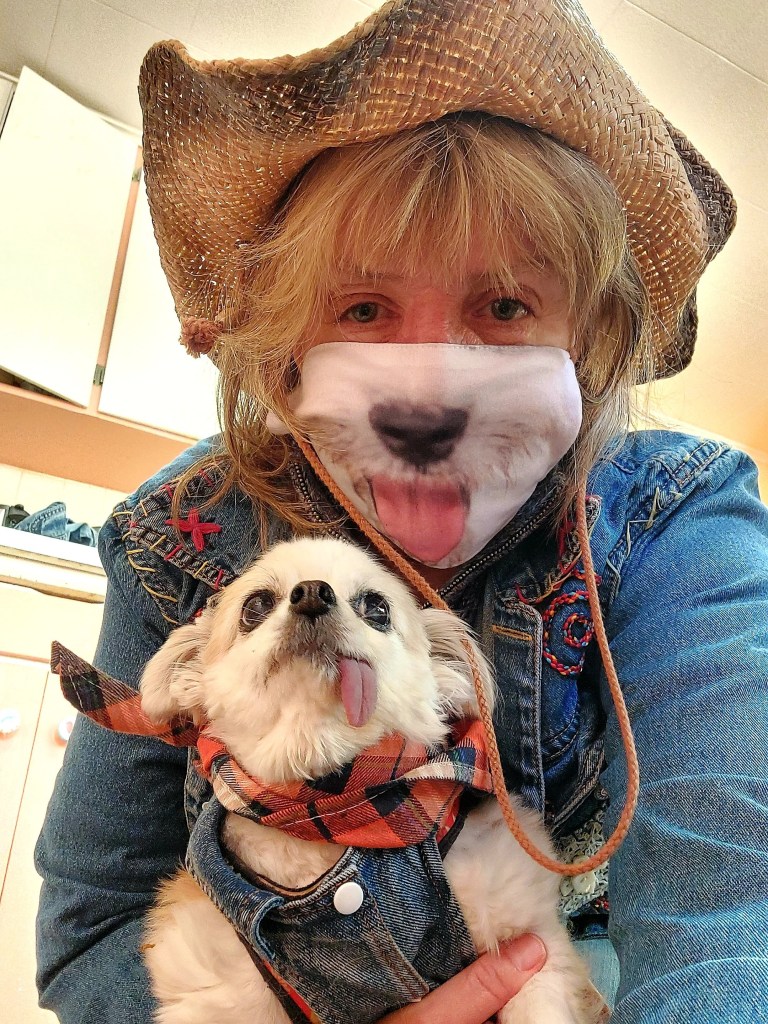
Six months later, on the day of the blue moon, I rescued Cimarron. She had lost her lifelong, loving mom (Carolyn F.) two years prior and then went to foster care with someone who also adored her (Chrystal W.). She was a lanky, tiny chihuahua with a sighthound build and personality. Unlike Sazi, she had magic, flying legs. But, she had a deeply sensative personality and separation anxiety – she flew everywhere just to be at my side. I just lost her less than 3 weeks ago, and while she was a 180 from Sazi, the deep grief is the same.
Why a Soul Dog Myth?
Anyone reading this who ever lost a soul dog knows how much it hurts. Often we cry more for (and hurt more) when we lose a dog than when we lose a human. The Atlantic had a good piece on this not long ago – excerpts from Tommy Tomlinson’s book called Dogland: Passion, Glory, and Lots of Slobber at the Westminster Dog Show. If you don’t subscribe to the Atlantic, you can get the whole book on Barnes and Noble or from other sellers. We grieve because dogs are part of our daily lives in a meaningful way. Add that special connection to a soul dog, and the grief feels overwhelming. I think that’s especially true if we geared up to heal them, dedicated our lives to keeping them with us a little longer, and they left, anyway.
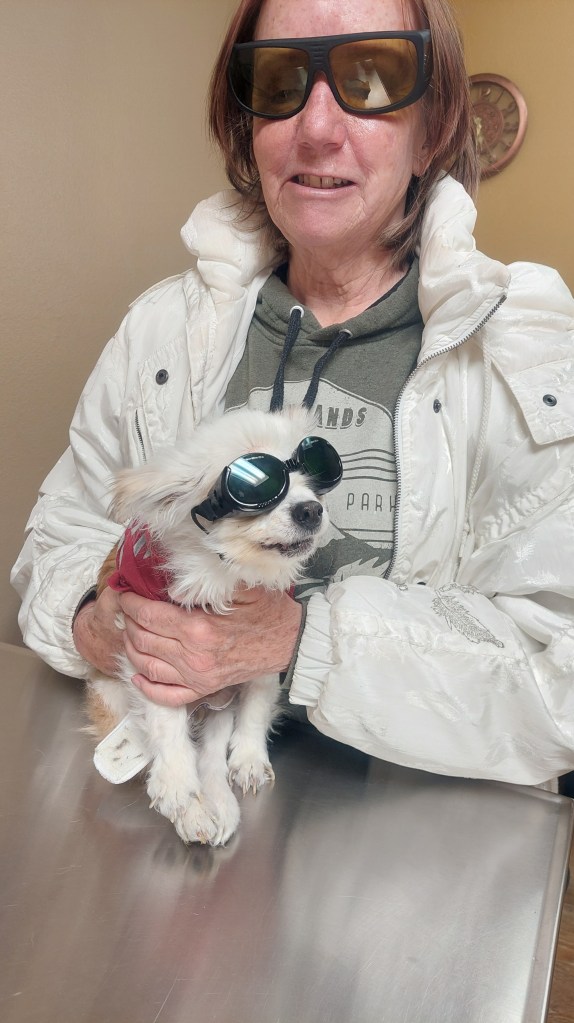
When we grieve, humans naturally reach out to other humans for comfort. But, unfortunately, most people don’t understand grief of losing a strong bond with a dog. They say things like, “I’m sorry about your little doggy,” or “At least she knew love,” or “Get a younger dog next time.” Fortunately, humans have learned scripted responses to the loss of a human, but we have a long way to go with loss of a dog. Can you imagine saying anything like this to a human who just lost a partner?
This response leads to disenfranchised grief. We don’t feel anyone really understands or empathizes with our loss. I believe this is part of the myth creation. In order to get the comfort we need to survive the loss, we build the dog into something of a myth. The dog becomes Dante, the supernatural spirit guide, in our minds. Some people hear our story and believe the Disney movie version of our ordinary street dog. That is how the myth builds to become a cultural belief system. It’s that “once-upon-a-time” magic that lights up the screen and goes viral.
The Reality of How Humans Bond
I have studied human attachment for my entire career. Research like John Bowlby‘s attachment theory helped form my understanding of human bonding decades ago. We all know people can fall in love with a new partner, deeply bond with multiple children, or have several close friends. There is nothing once-in-a-lifetime about human bonds.
Bowlby studied human infant bonding, and his theory is applied throughout the lifespan. Human bonding requires that the infant have a secure base – usually a parent – allowing them to develop trust so the world becomes safe to explore. That caregiver becomes a safe haven, where the child returns when there is a threat of some sort – they know they will be kept safe. However, the infant prefers when the caregiver stays in close proximity and when the caregiver leaves, it can create anxiety.
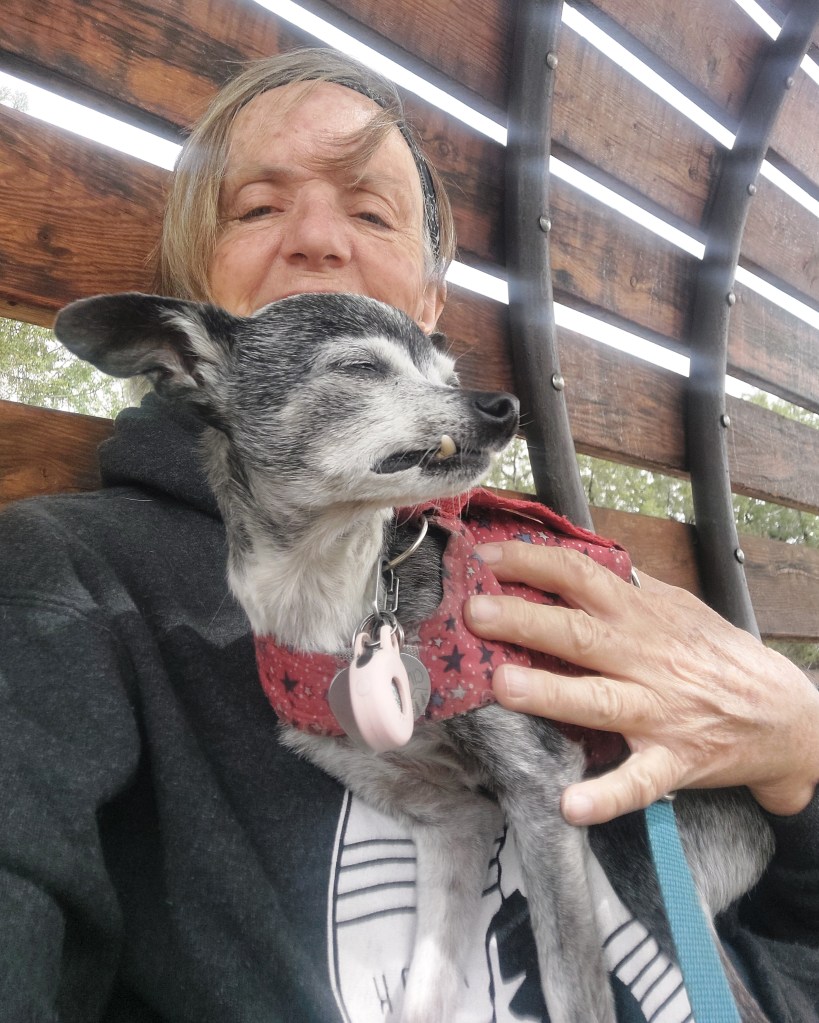
I would imagine that most dog owners can see these characteristics in a securely attached dog. With a soul dog, there is usually an unusual circumstance where the owner feels the need for additional support. It is likely the dog becomes the owner’s safe base, as well as vise versa. That secure two-sided attachment gives birth to the soul dog. Just an ordinary street dog who is receptive to the human’s need for attachment and safety.
Dog Love and Grief: It’s the Everyday Sharing
I mentioned before how the Atlantic article (Tomlinson’s book) on dog loss points to how dogs are part of the everyday fabric of our lives, and how that makes the loss so painful. This relates to the Positive Resonance Theory developed by positive psychologist, Barbara Fredrickson. In her theory, Fredrickson describes moments where shared positive emotion, mutual concern, and matching facial expressions (possibly leading to oxytocin release) line up to create feelings of love.
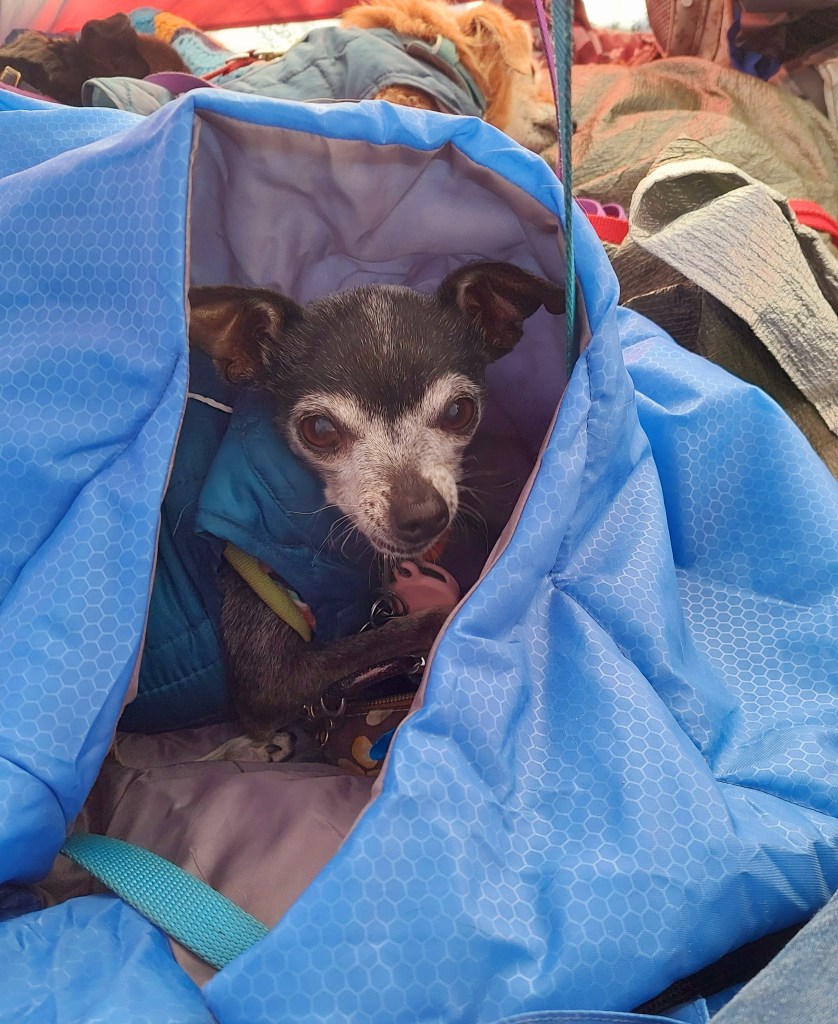
In her theory, love isn’t limited to romance. It is a moment-by-moment lining up of these three factors. While her research and theory focused on humans, it is not hard to see how this may apply to a deep bond with a dog. For me, the days with Cimarron often started with a mutual gaze and an “Awwwww” (human) and ear position change (canine) that signaled to the flow of oxytocin in both of our brains. In my experience, my soul dogs were bonded closely enough that the love moments happened at greater frequency.
Not Every Dog (or Human) Can Experience That Soul Connection
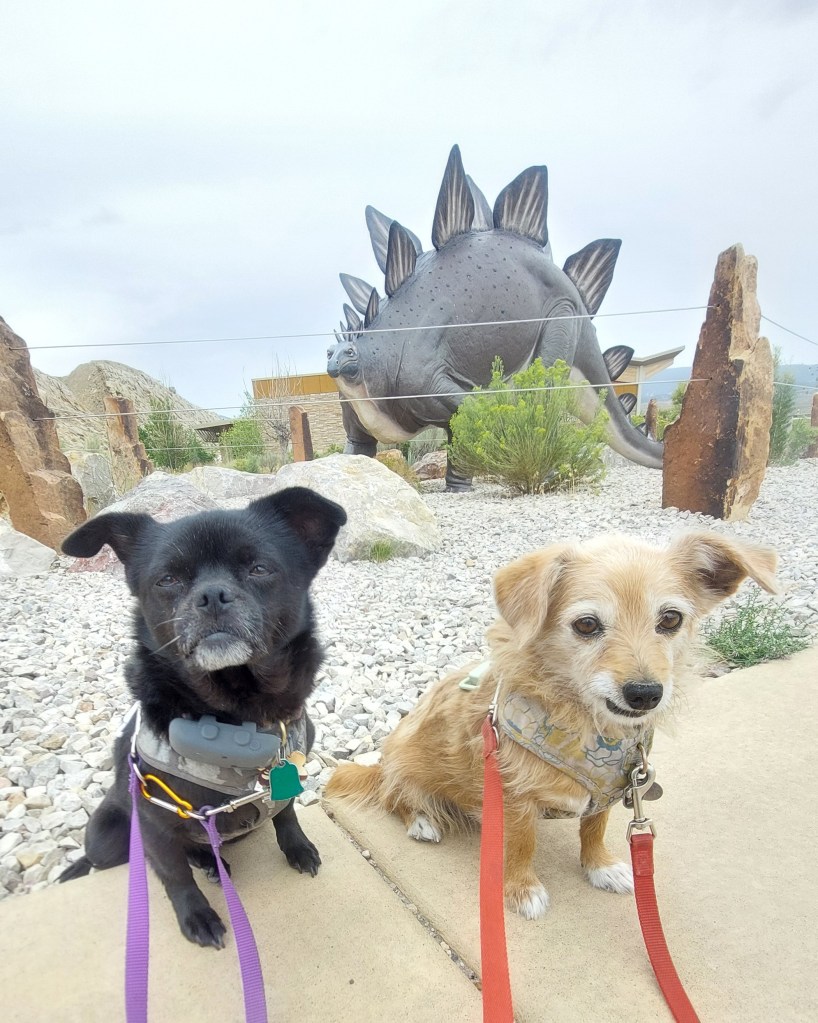
When I started rescuing, I wanted one travel companion. Over the years, that grew into an effort to use my medical and positive psychology backgrounds to help special needs rescue dogs. That’s how my little “Three Amigas Dog Haven” title for the blog and social media came about. I have rescued 7 dogs in the last 13 years. I loved them all. I traveled with them all. I have or will grieve them all. Only two were soul dogs.
There is no recipe for a soul dog. You can’t put “soul dog” in a search on Petfinder to know which one to adopt. It requires there be an openness and vulnerability on both sides of the fence. My dogs that were not securely bonded at a young age have not become soul dogs. Perhaps Bowlby’s theory on early attachment (that secure early attachment predicts later life attachment) applies to dogs, as well. With every dog, there is a different capacity. Kachina is my empath dog, but still has attachment anxiety from once being feral and doesn’t like to be held close. Koko is my comedian dog – she makes me laugh every day – but her hoarding background and breed mix make her a bit of a lone wolf, so our moments of shared oxytocin are more rare.
The Myth and the Impact
Is there harm in believing your dog had some sort of a once-in-a-lifetime superpower? Yes and no. On the positive side, the mythical creature stories may have drawn in the human empathy that was needed to get through the grief. And, who doesn’t love Dante becoming a spirit guide?
On the downside, the myth may keep someone from adopting or rescuing again, or at least creating a lag time. Everyone grieves at their own pace, so it is OK to wait until the time is right and the heart is open. Some people want to get through the grief first, others find a new dog helps to heal the sadness.
If a person feels like their one “soul dog” voucher has been used up for this lifetime, it may create a sense of learned helplessness. I know I believed the myth after Sazi passed away and I got clinically depressed. I would never know a bond like that again. My IBS went crazy for a couple months. I rescued again anyway. I was reaching for Sazi’s legacy. The first rescue after was a hoard/hospice dog, my Koko. This would be easy, I thought: a short-term bond. But, it turned out she was a surgery candidate and younger than anyone initially thought. I developed a special connection with her through her surgery and recovery that still exists today.
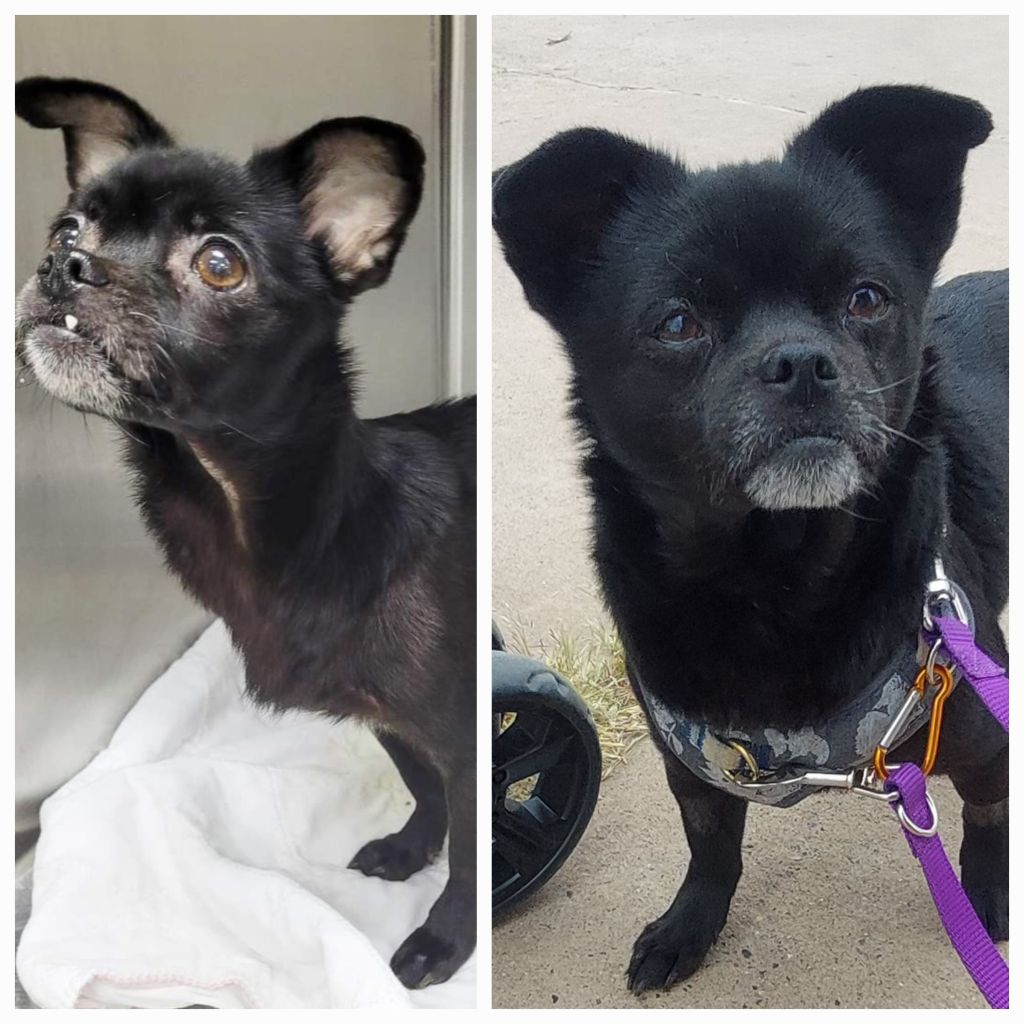
Something was still missing, though. So, I rescued a third dog, Cimarron. I wanted a tiny dog to carry around, like I had Sazi. And, something about her sighthound sensative personality and awkwardly graceful legs grabbed my heartstrings. While she was a 180 to Sazi in personality, in my grief, I have confused their names – because the grief is the same.
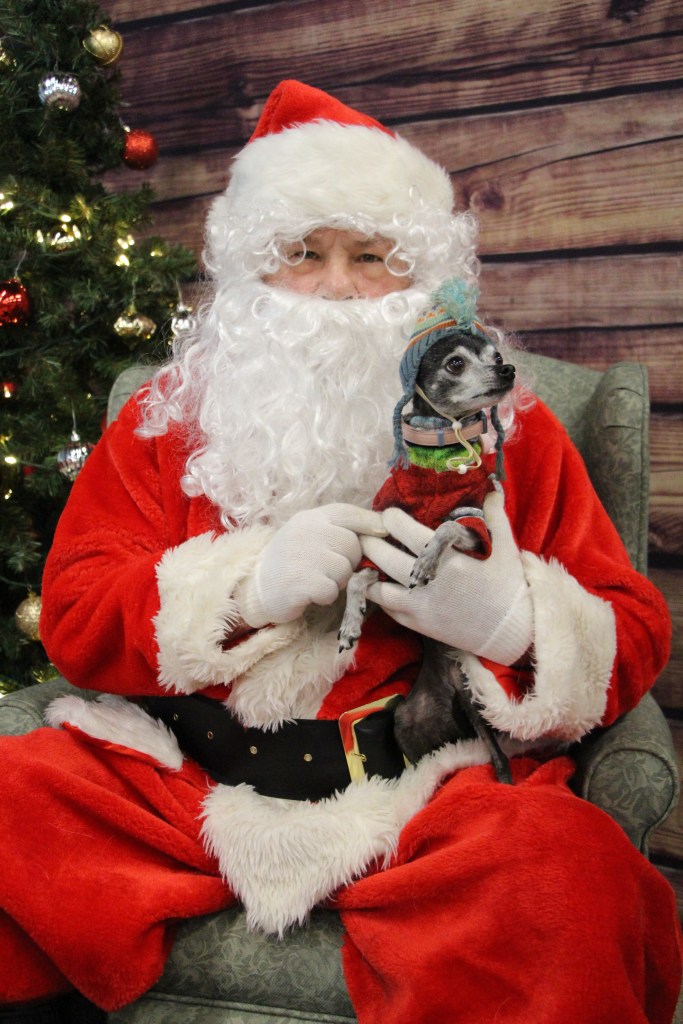
There is no way to predict if a new dog can “measure up” to a soul dog experience. A person just has to be willing to take that risk. There are a lot of things a human can do to build a strong bond with a dog. They can spend quality time with the dog and create a safe space. They can share positive moments and joy. They can open their hearts and be vulnerable. I think almost all dogs respond. If the dog finds the mutual connection in a deep way, that is the best road to creating a soul connection. I strongly believe it can be more than once-in-a-lifetime.
Open your heart, Doc Cathy
Author Note: I have mild CPTSD, so my connection with my dogs helps my own nervous system to stay balanced. In watching out for another vulnerable soul, I care for my own vulnerable soul. I don’t call them emotional support dogs, because the support is mutual. CPTSD may be one factor that increases my chance of a deep connection to my rescue dogs. My hope in writing this, however, it is to open people’s hearts to rescuing, again, after experiencing the grief of losing a soul dog.