A Doctor of Nursing Practice’s (DNP) retrospective look at heat, vision, CCD, and the silent mechanics of canine mitral valve and tracheal disease.
Dear Isaac, Maia, Dog Lovers and Virtual Wanderers,
This is the first in a series of blog posts about losing my 15.4 year old soul dog, Cimarron Esti Hartt. I wrote a tribute post to her a few days ago and it may help if you start there – Remembering Cimarron Esti Hartt: A Heartfelt Tribute to My Soul Dog.
The spring of 2026 was a busy one. I was working hard to get my art business into a more sustainable situation. Then came spring and my business shifted from online focus to home sales and then to art events. I mention this because I normally let my business glide more in the warm months and spend more time camping and hiking. I think this was part of why I may have been less sensative to Cimarron’s early warning signs.
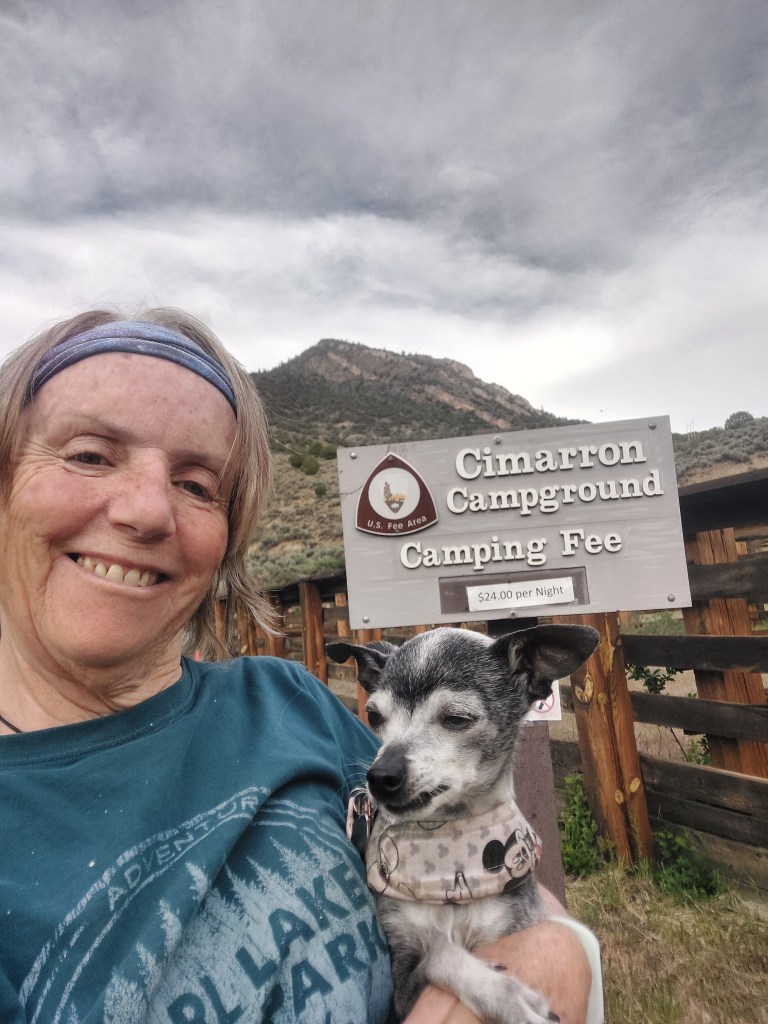
That being said, Cimarron was an amazing dog until the end. She loved walks are still followed me everywhere. It wasn’t ever like a black and white decline. I am only seeing a lot of these red flags in retrospect. Her last short walk was the day before she died. Her last stroller ride was about 6 hours before she went into early respiratory distress and I let her go.
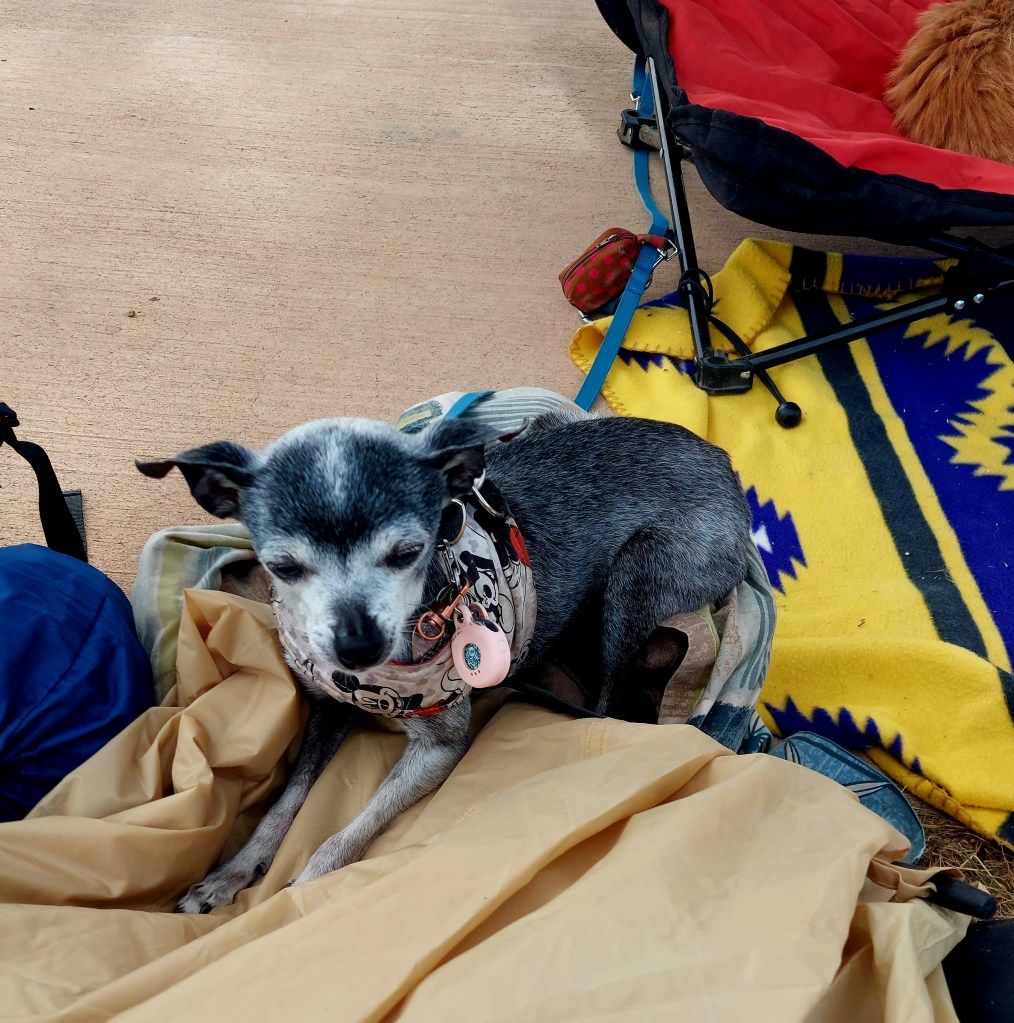
Signs of aging were gradual and I didn’t give it too much thought. But in late June, when the heat started, that is when I started seeing more of a decline. Cimarron slept in an open crate near my bed and when light and traffic noise picked up, she would crawl in bed with her canine sis, Kachina, and wait for me to awaken. Then, I let both the girls up on my bed while I read for about 30 minutes. Then the girls, including sis Koko, signaled it was time to go outside. Cimarron always won the race down the hallway.
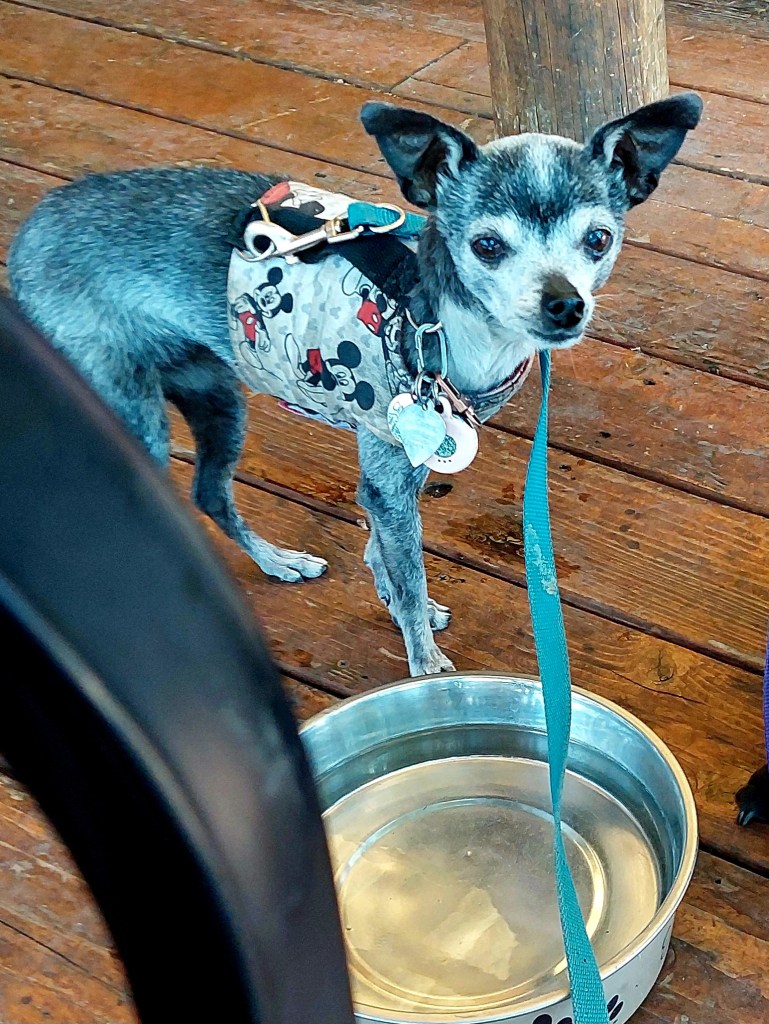
With the onset of heat, Cimarron began to want to stay in bed while I went for my jog. My room stayed cool the longest, so I didn’t mind her sleeping in. I put a potty pad near her crate at some point earlier because her tiny bladder was often full whe she woke to crawl in bed with her sis. So, she was in no hurry to go out and would sleep – sometimes until noon.
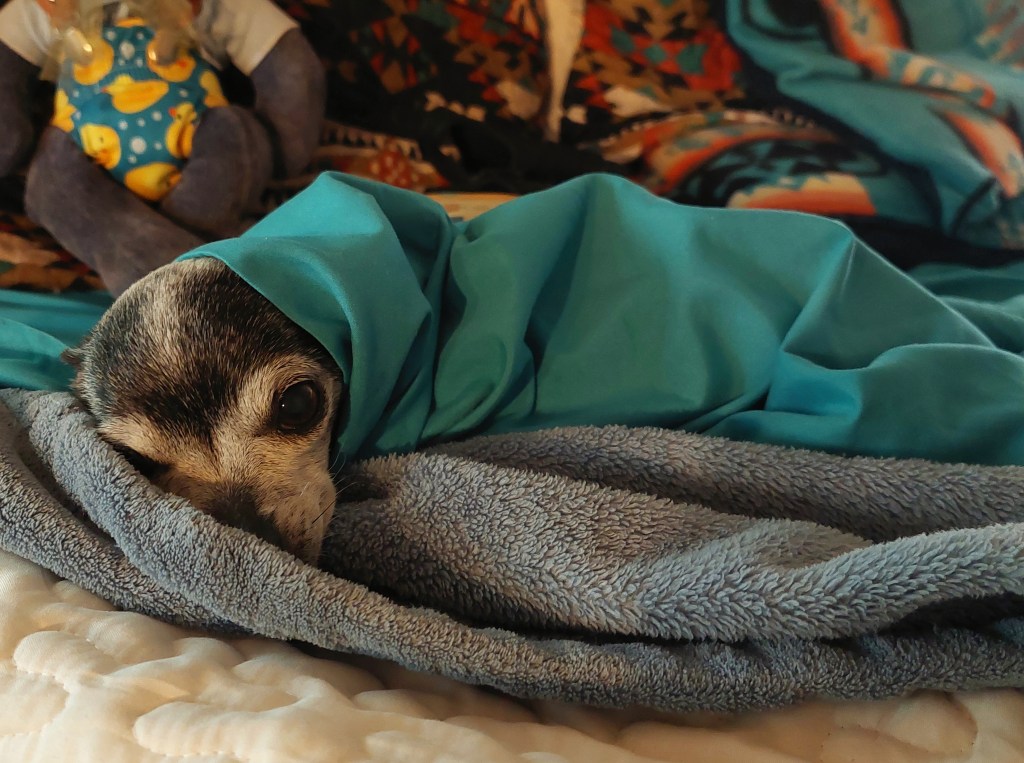
The heat also brought a lack of appitite, especially her “breakfast.” She had done this last year and reversed out of it with Mirtazapine, cooler weather, and me not leaving the house to jog (she hated it when I left). Cimarron was generally a good eater, but always sensative to her environment. She could be picky if she sensed something was different. I spent most of July until mid August waiting for her to show hunger cues and feeding her at weird hours, because she just wouldn’t budge. Unfortunately, that meant I had to “pill” her to get her Vetmedin down on time. She absolutely hated being pilled and I tried everything I could think of to break the cycle and get her to take it in a treat. She wasn’t budging. I now recognize this may have been an early sign of trachea disease.
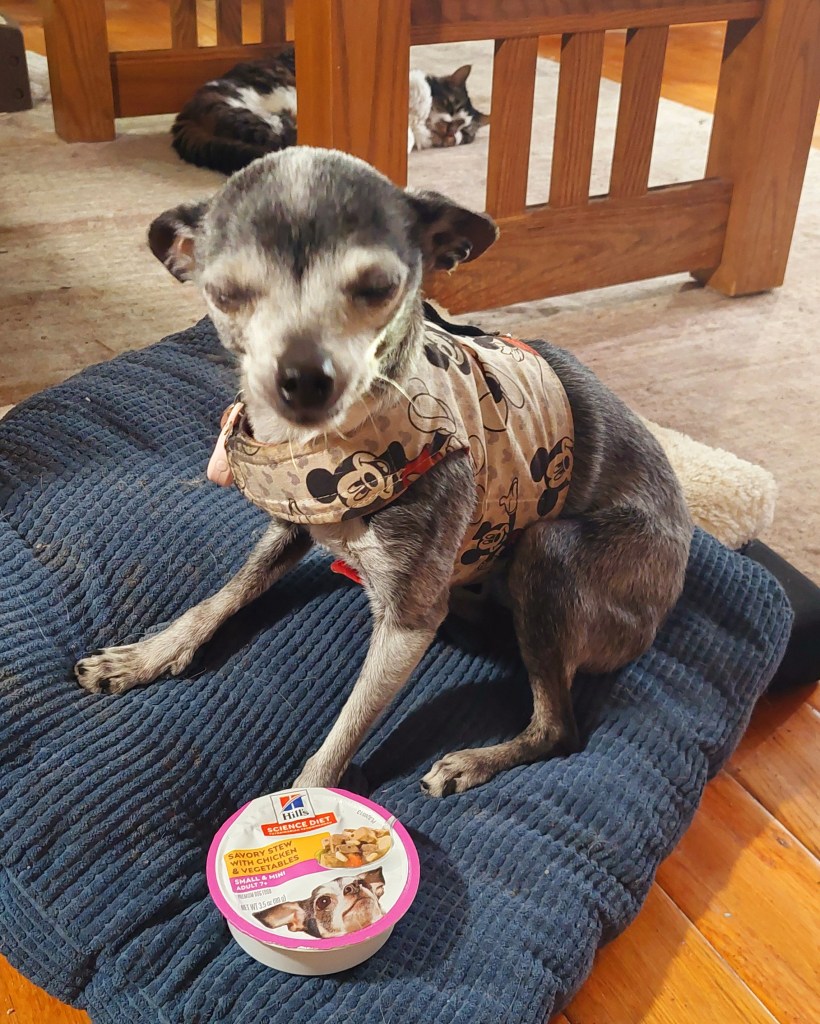
It’s easy to explain the first signs away – getting older, having decreased appitite with heat, maybe early canine cognative dysfunction – common things for older dogs. And, they may have just been aging, but I look back now and wonder. I will pay more attention the next time.
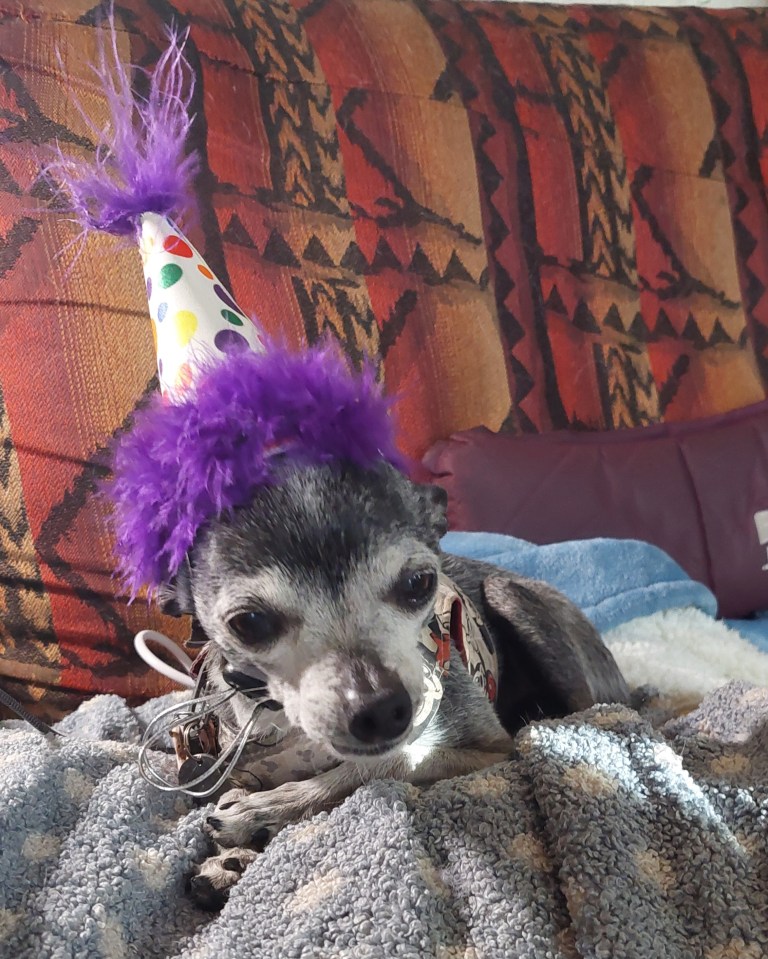
Cimarron had long legs and a lot of sight hound personality characteristics. She raced whereever I was going and usually got there first. If I went downstairs, she was there first. If I went up to the bathroom for 5 minutes, she followed. I think it was sometime in early August that she fell down the stairs. Tumbled. I was shocked, I checked to be sure she hadn’t hurt herself. She was more embarassed. I was bewildered – was it eye sight? Sometime over the summer, she started sometimes needing two tries to get on the couch from her elevated mat. Because she still loved to go on walks and do her other activities, I didn’t worry too much about it. Looking back, this was probably one of the biggest red flags.
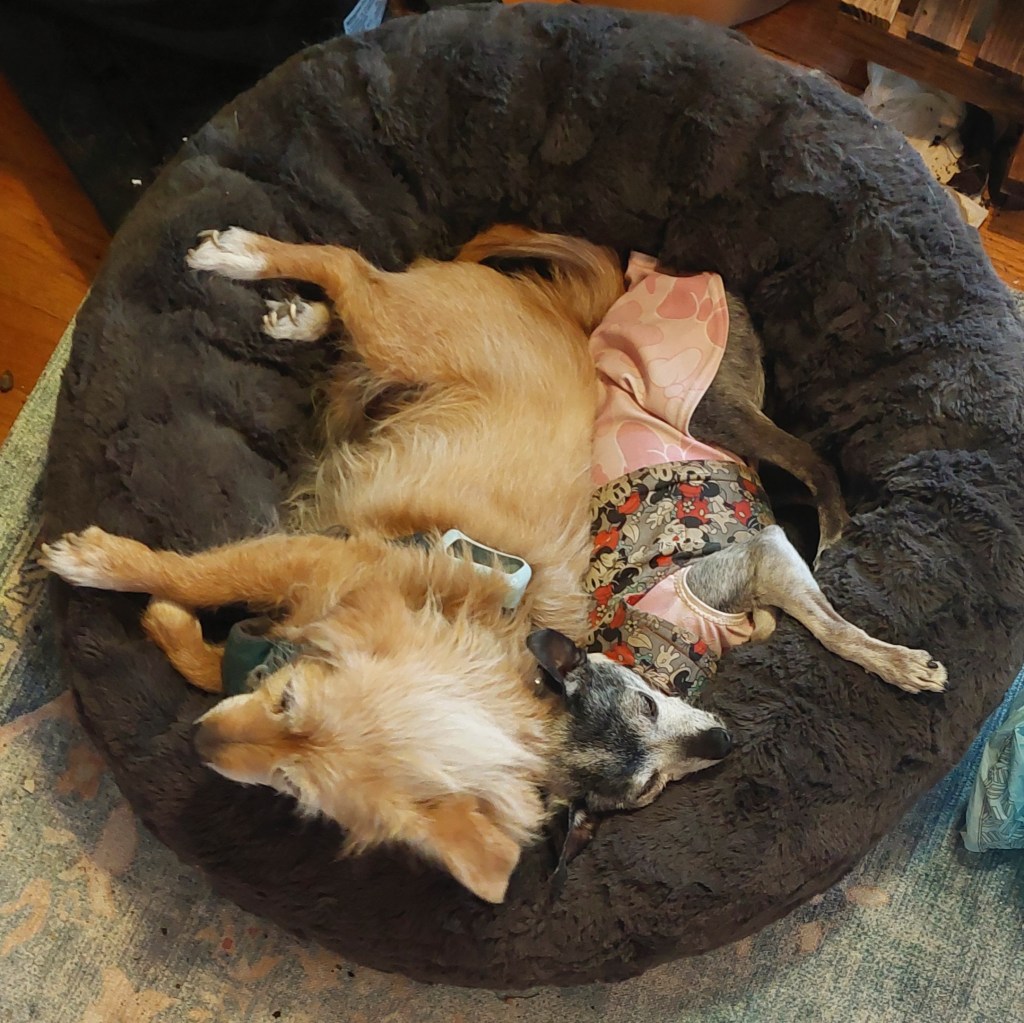
The heat was hot – and my AC was out. The little swamp coolers didn’t keep it cool enough. It was about 6 degrees hotter than average in Montrose last summer. That easily overtakes a swamp cooler. I did my best to work in the basement as much as possible, as it was cooler. Cimarron loved it when I did, she would fall sound a sleep. But, upstairs and outside were stressful for all of us.
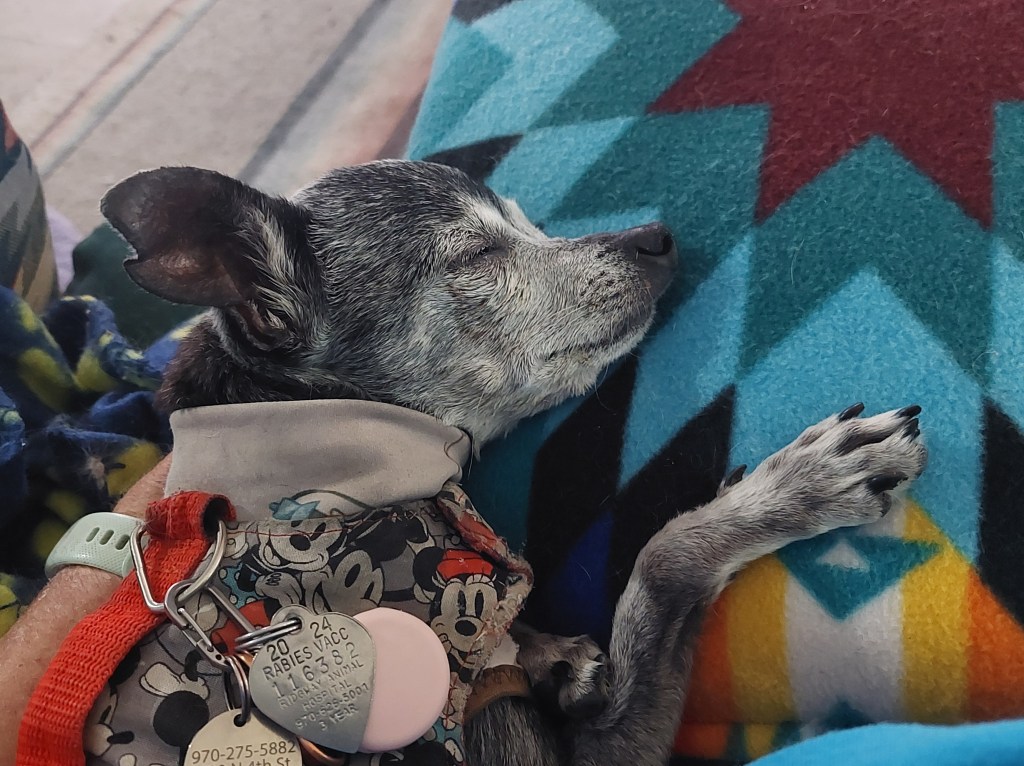
On August 24th, we headed on our week-long camping road trip to Pearl Lake State Park, named for my grandma. It is about 8K feet there. While Cimarron did well enough, she did struggle and get unsteady towards the end of our hike at Pearl Lake. That quickly resolved with food and water. At the time, I pondered hypoglycemia because she had declined breakfast that morning. I still think it may have been a factor, but not a cause. Otherwise, she did as well as any older dog in the high altitude summer. We enjoyed the trip. When I got home, I got some glucose to rub on her gums if it happened again. Older, small breed, slender dogs sometimes do have episodes of hypoglycemia. I thought I was prepared – but I wasn’t.
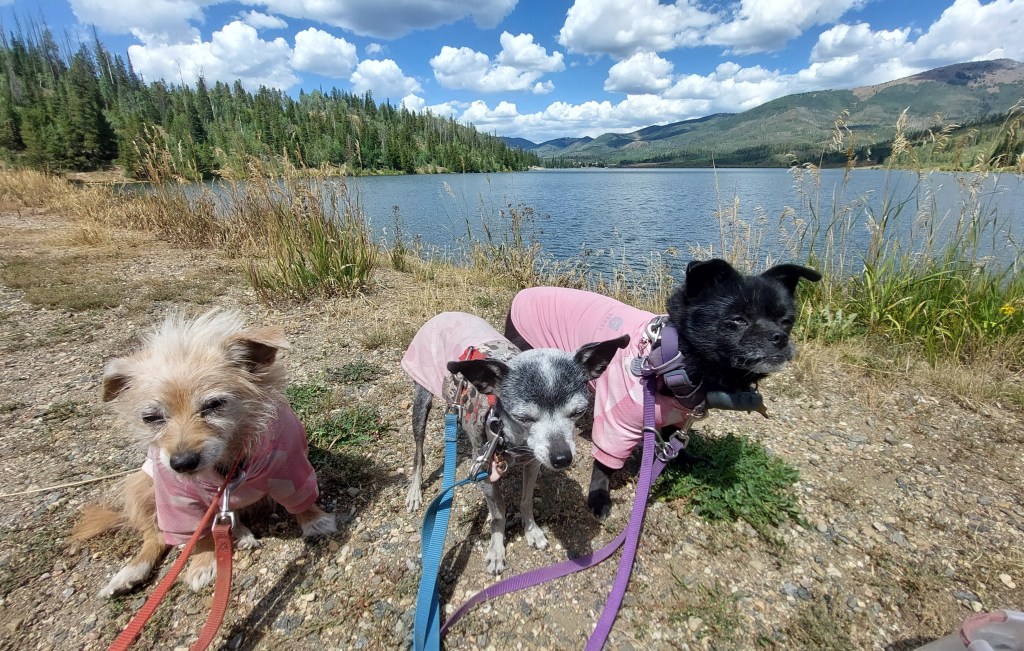
Our next camping trip was about 3 weeks later. This is when her first episode started. To be honest, I got busy with a neighbor’s hospice care and so wasn’t watching Cimarron super closely between the trips because she seemed so normal. I will add the next blog soon and add the link once that is available.
Cimarron had known cardiac disease, was on Vetmedin for 3 years. While some of the above may be normal aging, many of the symptoms are common for advancing mitral valve disease. I will discuss in future blogs how her heart had stayed stable is size (no congestive heart failure), but the valve was very thick and ready to rupture at the time of diagnosis. Also running silently in the background was asymptomatic collapsing trachea that was likely lowering her heart’s ability to get the needed oxigen.


One thought on “Beyond ‘Just Getting Old’: What Cimarron Taught Me About Subtle Respiratory and Cardiac Decline”